
Security Blog & Advisories
Real-world security research, smart contract vulnerability analysis, Linux server hardening, and Web3 incident forensics.

AI Writes Code, Humans Must Secure It
When you ask an AI to generate code, build an app, or create a dApp, the response is primarily driven by the details from your prompt (how you define an instruc...

C2PA: The Standard That Can Help the Internet Trust Videos Again
The internet is entering a strange new era. Videos look real - but aren’t.Voices sound authentic - but were never spoken.Photos capture moments that never happe...

Analysis of Images Involving Minors - Investigation Summary
We received a report involving a highly sensitive case: multiple individuals raised concerns after discovering photographs of their children, ranging in age fro...

How to create multisignature XPR wallet? + VIDEO
A MultiSig wallet is a digital wallet that operates with multisignature addresses. This means that it requires more than one private key to sign and authorize a...

Subresource Integrity (SRI) Explained
What is SRI? Subresource Integrity (SRI) is a security feature that helps browsers ensure that files they download (like JavaScript or CSS from a CDN) haven’t b...

Ponzi Scheme vs. Pyramid Scheme: How Do They Differ?
Ponzi Scheme vs. Pyramid Scheme: A Comparative Overview A Ponzi scheme is a fraudulent investment scam where returns to earlier investors are paid using the con...

Unmasking the Broker Scam
We are presenting our latest investigation about the scam currently prevalent in Slovenia. In this scheme, scammers randomly call individuals, posing as (unlice...

What is Critical Thinking?
In the field of security awareness and associated training, the term “critical thinking” is thrown about as an effective defense against social engineering atta...

What is Zero Trust Security
Zero Trust Security is an approach to cybersecurity that challenges the traditional notion of trust within a network. It operates on the principle of “never tru...

Recognizing Psychological Tricks to Stop Scams and Hacks
In today's digital age, scams and hacks have become increasingly sophisticated, preying on unsuspecting internet users. From phishing emails to AI-powered scams...

The Crucial Role of DNS in IT Security
In the intricate web of cyberspace, where data flows like a river and connectivity bridges continents in milliseconds, security stands as an unyielding fortress...

Xprotect - Web3 Security
At Alvosec, we're proud to introduce the world's first DNS that interacts seamlessly with blockchain technology. Our platform empowers users to report malicious...

Guarding Against the Shadows: Social Engineering's Evolution with AI
Social engineering relies on psychological manipulation, exploiting traits like trust, fear, or curiosity to deceive individuals and gain access to sensitive da...
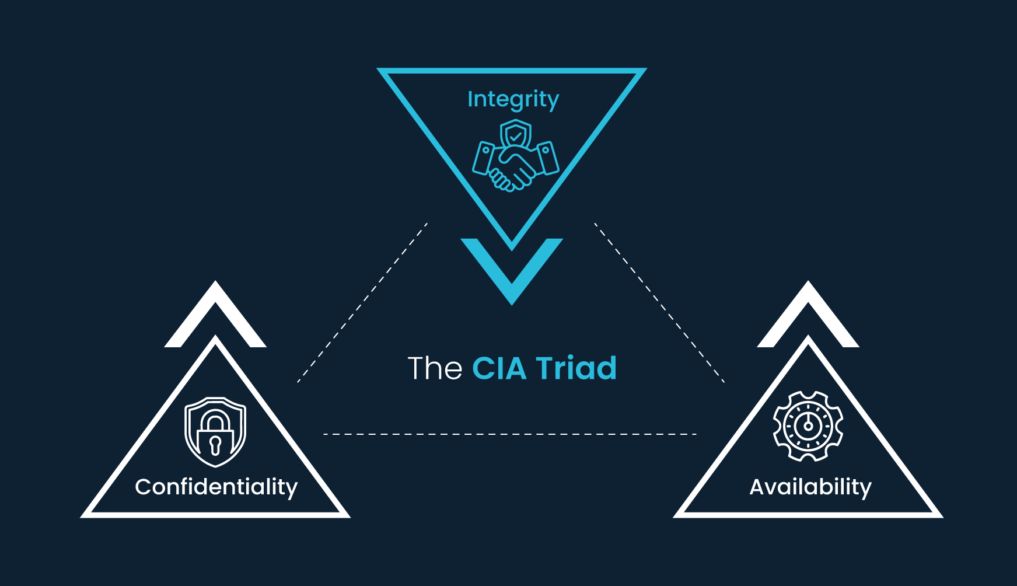
What is the CIA Triad?
The "CIA triad" stands for Confidentiality, Integrity, and Availability, forming a widely used model for developing security systems. It is crucial for identify...

Beware of Deceptive Social Engineering Tactics: Unveiling the Calendly Scam
In recent times, an alarming social engineering scam has surfaced, specifically targeting individuals who have been contacted by someone claiming to be a 'Forbe...

DankBP Deception: A Mirage in the Virtual Veil
This is a follow-up to our initial research, uncovering that ProtonKiwi was operating two BPs, which goes strictly against XPR Network rules. ProtonKiwi's decis...

Unmasking Sock Puppets: The Quest for True Decentralization in the XPR Network
Welcome to the shadowy world of online deception, where the allure of quick riches often collides with the harsh reality of scams. Presenting our latest researc...

The rise of account takeovers on 𝕏
In the last two weeks, the 𝕏 platform experienced a series of account takeovers affecting well-known accounts like Phantom, Mandiant, SECGov, Coingecko, and Cer...

Who hacked this guy?
The purpose of this article is to raise cybersecurity awareness, and this is the real example of how users get compromised. During my daily X scroll, I came acr...

How attackers executed attack via compromised Vitalik's account
Ethereum co-founder Vitalik Buterin’s account on X (formerly Twitter) was compromised late at night on Sept. 9. Vitalik’s hacked account was used to promote a d...

What Are IPFS Phishing Attacks?
As the InterPlanetary File System (IPFS) gains popularity, it also introduces new risks. Initially developed in 2015 with Web 3.0 technology, IPFS adoption is p...

The art of romance scams: Betrayal behind trust
Romance scams have become an increasingly prevalent form of online deception, preying upon the vulnerability of individuals seeking love and companionship. Thes...

What is DNS and how it works?
In our increasingly digital world, the Domain Name System (DNS) plays a vital role in connecting our devices to websites. However, traditional DNS services prov...

How to Improve CPU execution time on your Antelope node
The CPU governor is a crucial component that regulates the CPU's frequency and power usage. By default, Linux servers often use the "ondemand" governor, which d...

Clipboard-injector attacks target cryptocurrency users in copy-paste heists
Kaspersky analysts have issued a warning about a surge of trojanized Tor Browser installers that are infecting users in Russia and Eastern Europe with clipboard...

Lazarus hackers now targets Linux users
Lazarus, a notorious hacking group, has launched a new campaign called "Operation DreamJob," targeting Linux users with malware for the first time. This recent ...

How to format USB drive to the NTFS file system (Linux)
You can format a USB drive to the NTFS file system in Linux Debian using the following steps: sudo fdisk -l sudo umount /dev/sdb1 Note: Replace /dev/sdb1 with t...

Don't blur sensitive information
In today's digital age, privacy is a critical concern. Many individuals and organizations use blurring techniques to conceal sensitive information in images or ...

Fake Online Stores: When the temptation of cheapness results in costliness!
Last year, our team conducted an extensive investigation of fake online stores, which are becoming increasingly common on the Internet. At the beginning of the ...
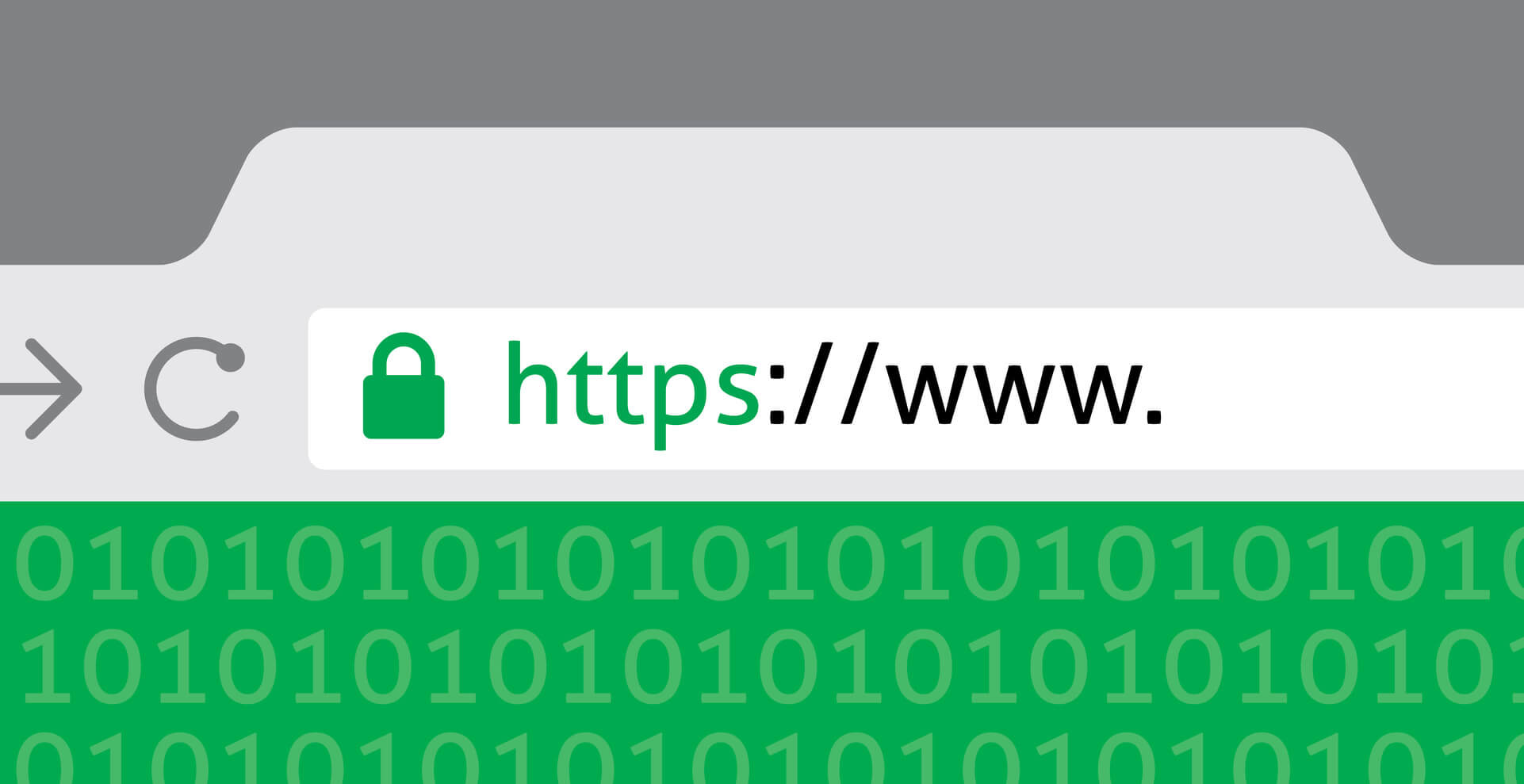
How to secure website using Let’s Encrypt
Certbot is part of EFF’s effort to encrypt the entire Internet. Secure communication over the Web relies on HTTPS, which requires the use of a digital certifica...
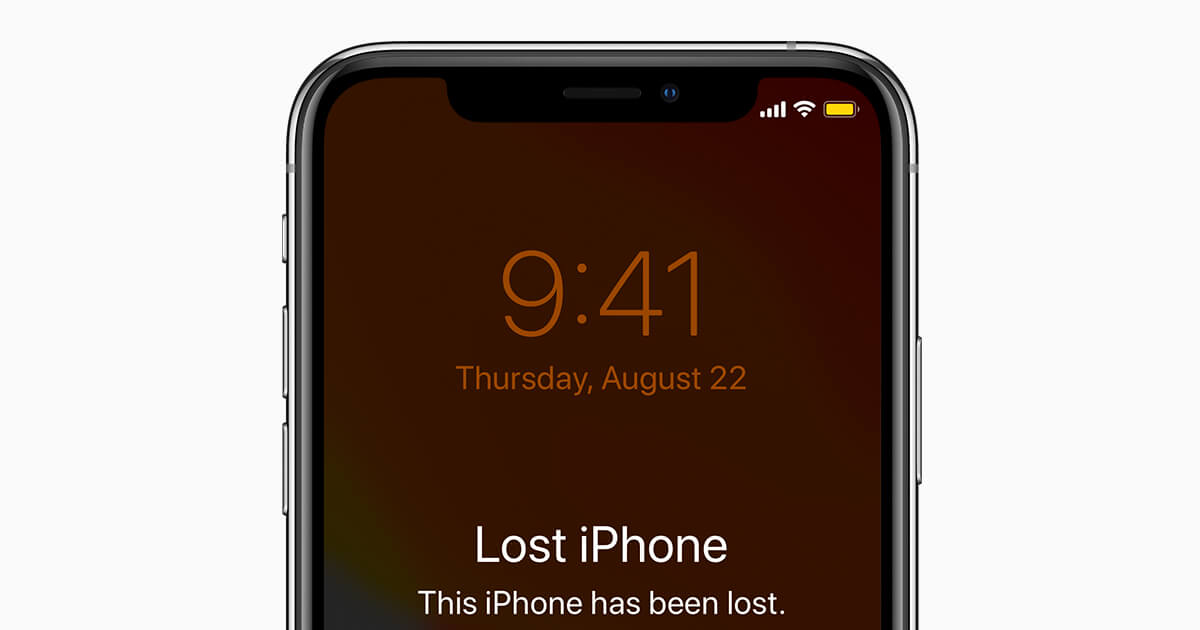
How to recover a lost or stolen iPhone, iPad, or iPod touch
If you have lost your iPhone, iPad, or iPod touch or suspect that it has been stolen, you can use Find My iPhone. This feature allows you to locate your device,...

Beware of scammers who claim access to your wallet and offer video proof
Several NFT-related Twitter accounts have raised awareness about individuals who are posing as bad actors and sending direct messages (DMs) claiming to have "ac...

How to find the IP address of a website behind Cloudflare
Reverse proxy services like Cloudflare can improve a website's speed and security by adding an additional layer of protection. This also provides a level of ano...

Cyber Threats on the Rise: Google Ads, IDN Domains and Hacked Social Media Accounts
Hackers are continuously evolving their tactics to steal sensitive information and financial assets. One of their recent advancements includes the use of Google...
What is the MITRE ATT&CK Framework?
MITRE ATT&CK™ (Adversarial Tactics, Techniques, and Common Knowledge) is a globally-accessible knowledge base of adversary tactics and techniques based on real-...

Fake Google ads can lead you to download malware
Malicious Google ads, also known as "malvertising," are ads that have been designed to infect a user's computer with malware. These ads can appear on any websit...

What is a 51% attack?
A 51% attack is a type of malicious attack that can be carried out on a blockchain network. In a 51% attack, an attacker or group of attackers control more than...

MEV bots are a scam - they will drain all of your deposits!
Beware of MEV bots on social media. These scams advertise themselves as a way to make money on Uniswap, often with a large number of views on YouTube. However, ...

Public WiFi is not secure
Free WiFi is now widely available in many places like airports, hotels, and coffee shops. This can be convenient for people who need to access the internet on t...

Using hashcat to recover your passwords
Hashcat is a password recovery tool that uses brute-force or dictionary attacks to recover passwords from hashes. It is a popular tool among cybersecurity profe...

Address poisoning attack
In this scenario, the attacker creates a vanity address that is similar to the victim's address in order to trick them into sending funds to the wrong account. ...
What is a ransomware attack?
How do ransomware attacks work? Ransomware encrypts all the files on your device so that you can’t access them without a decryption key. It can also lock you...

Protect files and folders from accidental deletion
There are several ways to protect files from accidental deletion on Linux. One approach is to use the chmod command to change the permissions on the file so tha...

How to avoid crypto scams?
Cryptocurrencies, such as Bitcoin and Ethereum, have gained a lot of popularity in recent years due to their potential for high returns on investment. However, ...
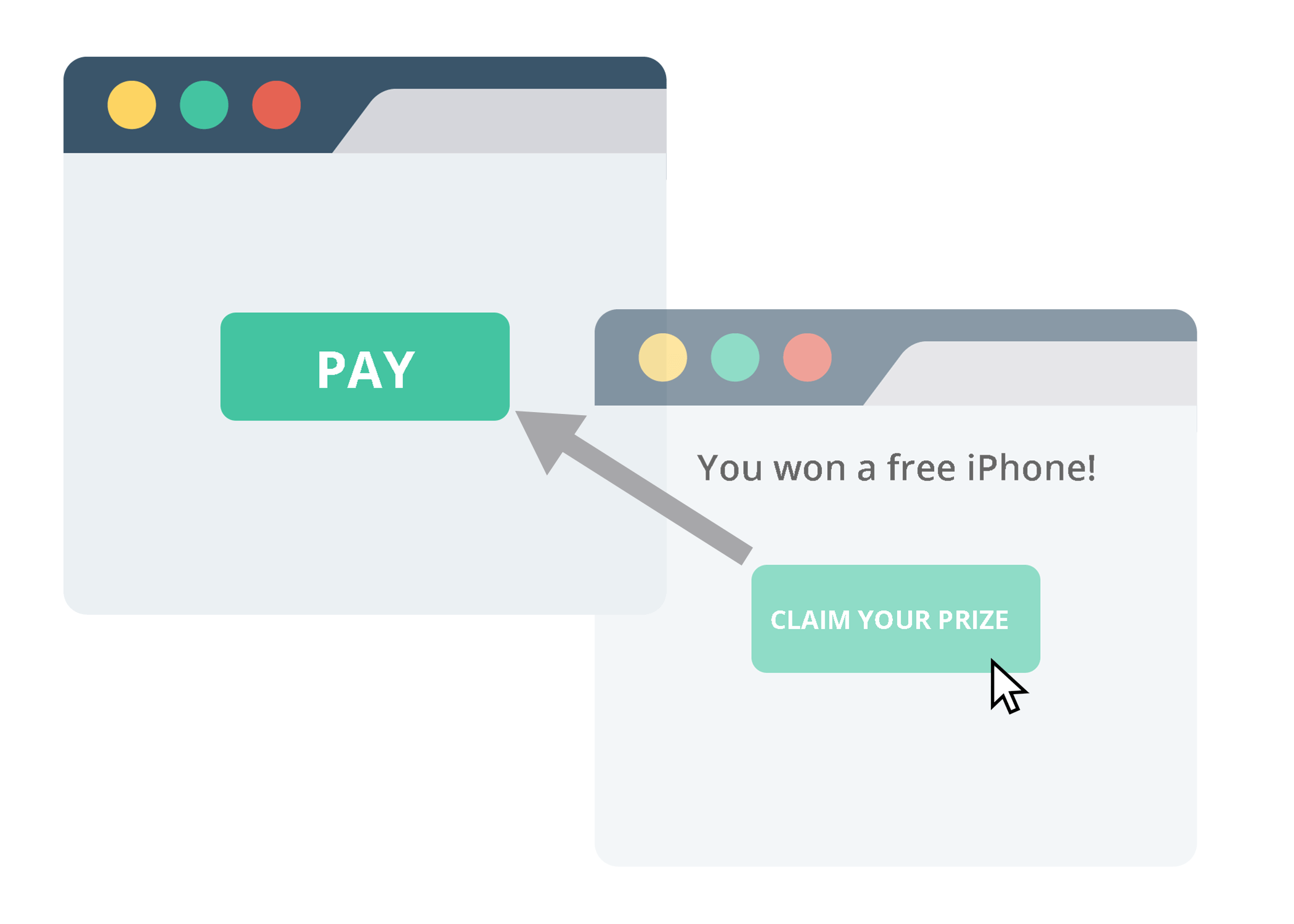
What is clickjacking attack?
A clickjacking attack is a type of web security exploit that involves tricking a user into clicking on a malicious link or button, typically by overlaying the m...

Why is KYC important for crypto businesses?
KYC, or Know Your Customer, is a process that helps verify the identity of customers in the crypto community. This is important for a number of reasons. Most im...

Device Fingerprinting: Discover how exposed are you?
Definition Device fingerprinting is the process of analyzing a device’s unique attributes to identify it. This approach intends to track individuals reliably an...

Protecting data in AWS S3: A step-by-step guide to secure your buckets.
AWS is the top cloud provider worldwide, offering clients the same infrastructure Amazon uses for its e-commerce. S3, part of the AWS suite, is an object storag...
Shamir's Secret Sharing Scheme
Shamir's Secret Sharing (SSS) is an efficient secret sharing algorithm for distributing private information (the "secret") in such a way that no individual hold...
How to Install and Configure OSSEC on Ubuntu Linux
OSSEC is an open source host-based intrusion detection system that can be used to keep track of servers activity. It supports most operating systems such as Lin...

The quieter you become, the more you are able to hear - part 1
Intro In the last few months, we've detected an increase of new strategies used by malicious attackers. Unfortunately, they were successful in draining a lot of...

The most common NFT scams
With the NFT euphoria, it’s no surprise that scammers are on the hunt for a paycheck. The good news is that knowing the most frequent NFT scams can help you sta...

Important! 5 ways to backup WebAuth private key
In this guide we will introduce you to private keys, their importance inside a cryptocurrency wallet and the reasons why you must back them up securely. We will...

What is SIM swapping?
SIM swap fraud occurs when scammers take advantage of a weakness in two-factor authentication and verification and use your phone number to access your account....

How to authorize another user to your WebAuth wallet?
Wallet security and keeping private keys safe is the most important part of any crypto application/platform's infrastructure. If the private key of your crypto ...

7 Security Principles you need to know
The explosion of high-quality application development frameworks has been a boon to the world’s software. It’s easier than ever to put together an application a...

What is a Security Policy?
The word “security” itself covers a vast range of concepts, tools and procedures, none of which apply universally. Choosing among them requires a precise idea o...

What is Steganography?
Steganography is the art of hiding a message. The purpose of steganography is to hide a message from a someone you don’t want to see it. It is different than cr...

How to verify PGP signature of downloaded software
PGP (Pretty Good Privacy) is an encryption software that is mostly known for its use in email. It is used for encrypting, decrypting, and signing emails and fil...
Symmetric and Asymmetric Encryption
Encryption is the process of encoding information so that only certain people can see it. To encrypt data, you use an encryption key. Similar to how a key is us...

What is the Principle of Least Privilege (POLP)?
The Principle of Least Privilege is the idea of providing the lowest level of access to all user accounts to reduce privileges to resources, systems, and networ...

How to sign emails with S/MIME certificate
Secure/Multipurpose Internet Mail Extensions, or S/MIME, is an internet standard to digitally sign and encrypt email messages. It ensures the integrity of email...

Ubuntu Pro - extended security
Attaching the Ubuntu Advantage subscription to Ubuntu, brings the enterprise lifecycle, including Linux kernel livepatching, access to FIPS validated packages, ...

Securing Apache2 with ModSecurity
ModSecurity is a free and open source web application that started out as an Apache module and grew to a fully-fledged web application firewall. It works by ins...
How to configure automated security updates on Linux
Keeping your system up-to-date with the latest packages and security updates can be a tedious task. Most users forget to do it, leaving them vulnerable to count...

How to avoid FOMO in crypto trading
FOMO stands for Fear Of Missing Out. It is a common problem faced by both experienced and beginner traders alike. It is also one of the worst emotions to deal w...
Create custom signatures for ClamAV
Clam AntiVirus is an open source (GPL) anti-virus toolkit for UNIX. It provides a number of utilities including a flexible and scalable multi-threaded daemon, a...

Vulnerabilities in Cross-chain Bridge Protocols Emerge as Top Security Risk
Following exploit of the Nomad Bridge, Chainalysis estimates that $2 billion in cryptocurrency has been stolen across 13 separate cross-chain bridge hacks, the ...

Common scams on mobile devices
2017 was a remarkable year for the cryptocurrency industry as their rapid increase in valuations propelled them into mainstream media. Unsurprisingly, this garn...

Scammer gave me access to his wallet?
In the crypto and blockchain world, unfortunately, we find scammers who strive to be able to directly or indirectly steal the funds of the unfortunate who for o...

Managing your XPR Owner & Active Permissions
The permissions feature of XPR Network is one of the most powerful and robust tools available for all XPR accounts. A well-structured and secure permission syst...
What are pump and dump schemes?
In investment circles there are several elaborate methods with which scammers try to exploit unsuspecting traders. This article exposes one such method that is ...
Cardiologist turns into black hat hacker
A criminal complaint was unsealed today in federal court in Brooklyn, New York, charging Moises Luis Zagala Gonzalez (Zagala), also known as “Nosophoros,” “Aesc...
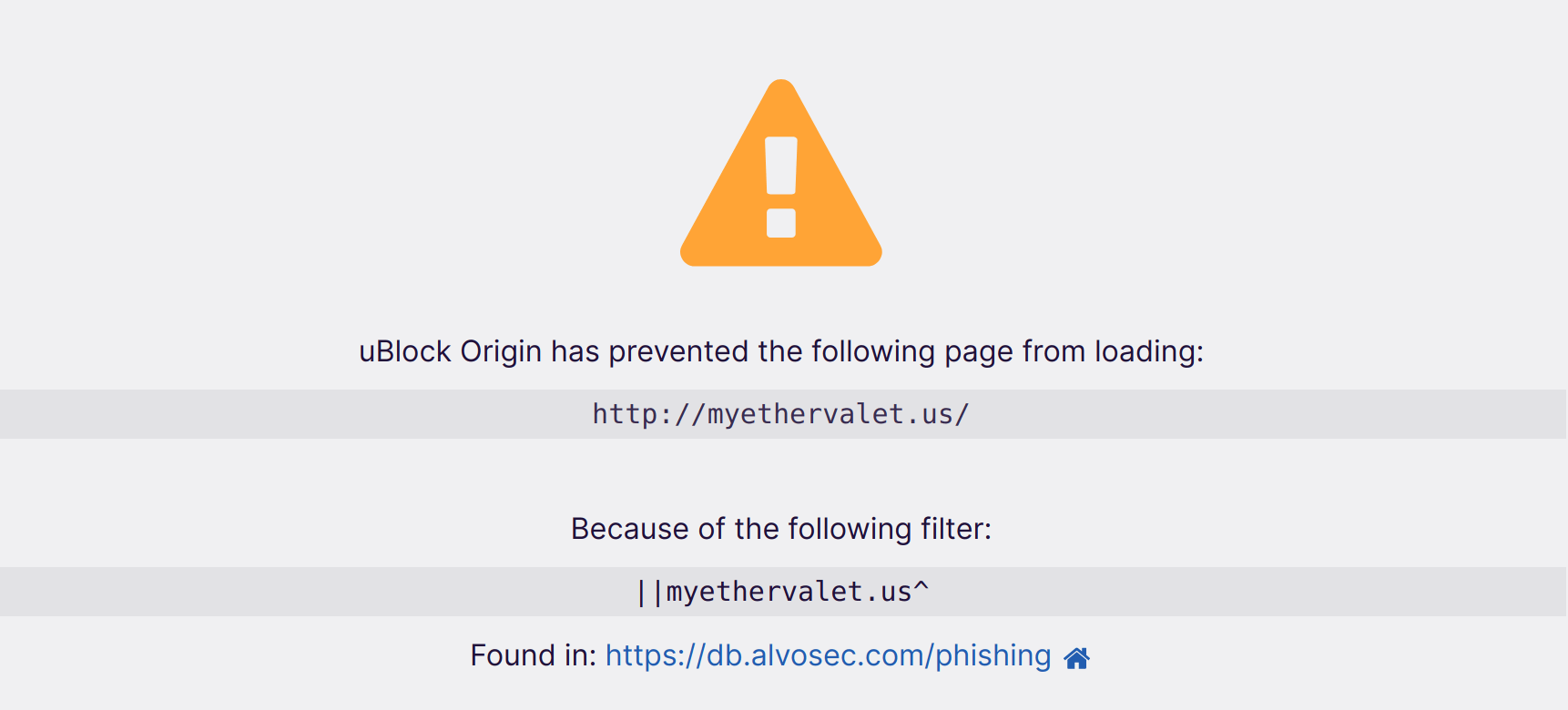
Block malicious domains by using Alvosec lists for uBlock
The uBlock Origin is a free and open-source, cross-platform browser extension for content filtering - primarily aimed at neutralizing privacy invasion in an eff...

PDF can contain malicious Word document
Threat analysts have discovered a recent malware distribution campaign using PDF attachments to smuggle malicious Word documents that infect users with malware....
Browser In The Browser (BITB) Attack
A novel phishing technique called browser-in-the-browser (BitB) attack can be exploited to simulate a browser window within the browser in order to spoof a legi...

CVE-2022-30190: Microsoft Support Diagnostic Tool (MSDT) RCE Vulnerability "Follina"
Description A vulnerability has been discovered in Microsoft Support Diagnostic Tool (MSDT) which could allow for arbitrary code execution. MSDT can be called u...

Exposed! How scammers steal crypto private keys?
We must say that by the time of our researching crypto scams, we have witnessed that methods of these scammers are getting more and more sophisticated, and that...

Discovering the chain of fake crypto exchanges
2022 is the year for cryptocurrency and blockchain as more and more people are interesting to involve to different aspects of this new technology. While most of...

How to use YARA rules to identify malware
YARA is an open-source tool designed to help malware researchers identify and classify malware samples. It makes it possible to create descriptions (or rules) f...

How to set most secure permissions for your website
In Linux, file permissions determine the levels of privilege for file owners and everyone else. It’s important to make sure any web-facing files have their perm...
How to set up secure cron job
How do I install or create or edit my own cron jobs? To edit or create your own crontab file, type the following command at the UNIX / Linux shell prompt: cront...
10 steps to properly secure SSH server
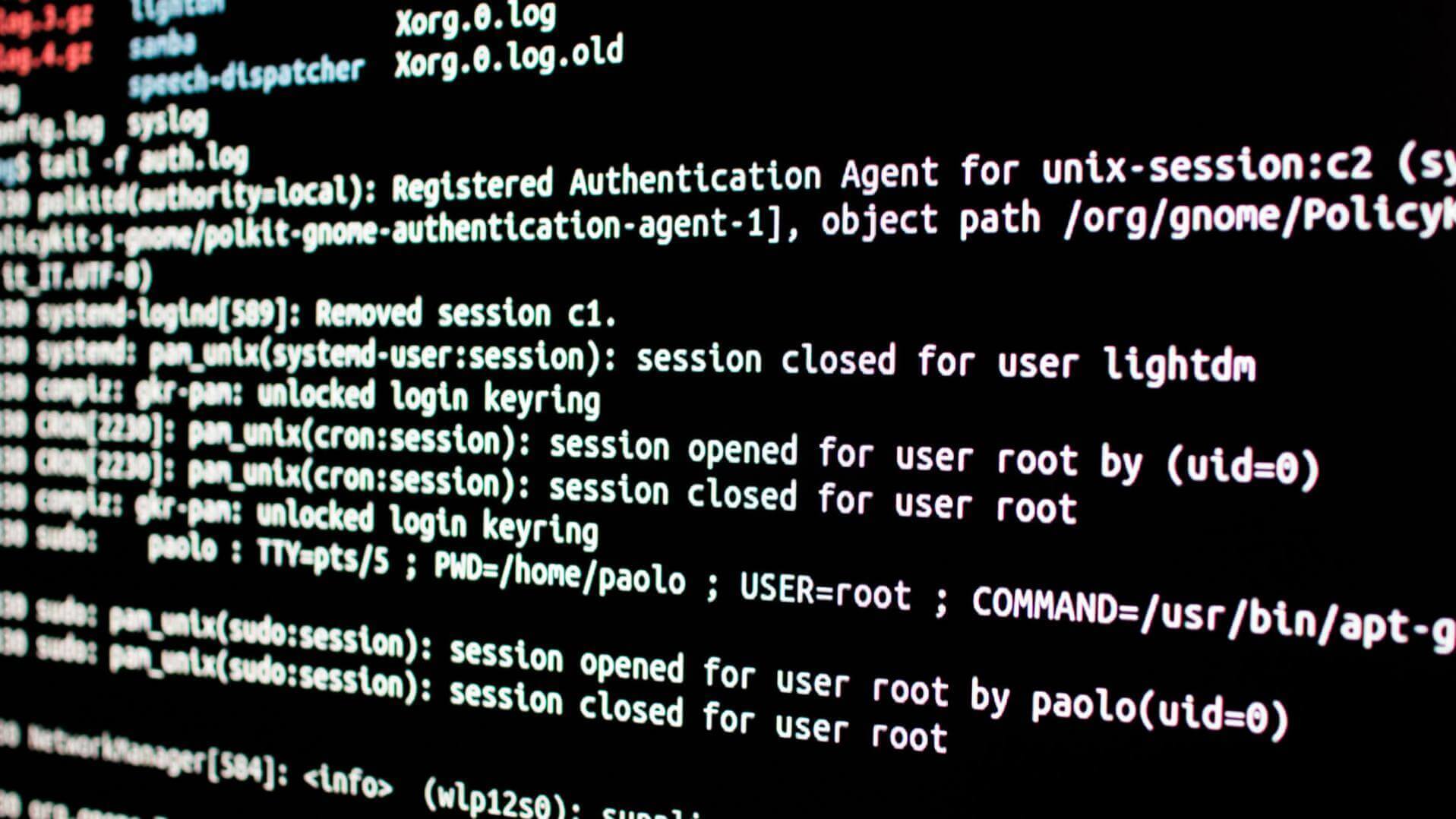
SSH is a secure, encrypted replacement for common login services such as telnet, ftp, rlogin, rsh, and rcp . It is strongly recommended that sites abandon older...
Infographic - Crypto scams and how to avoid them
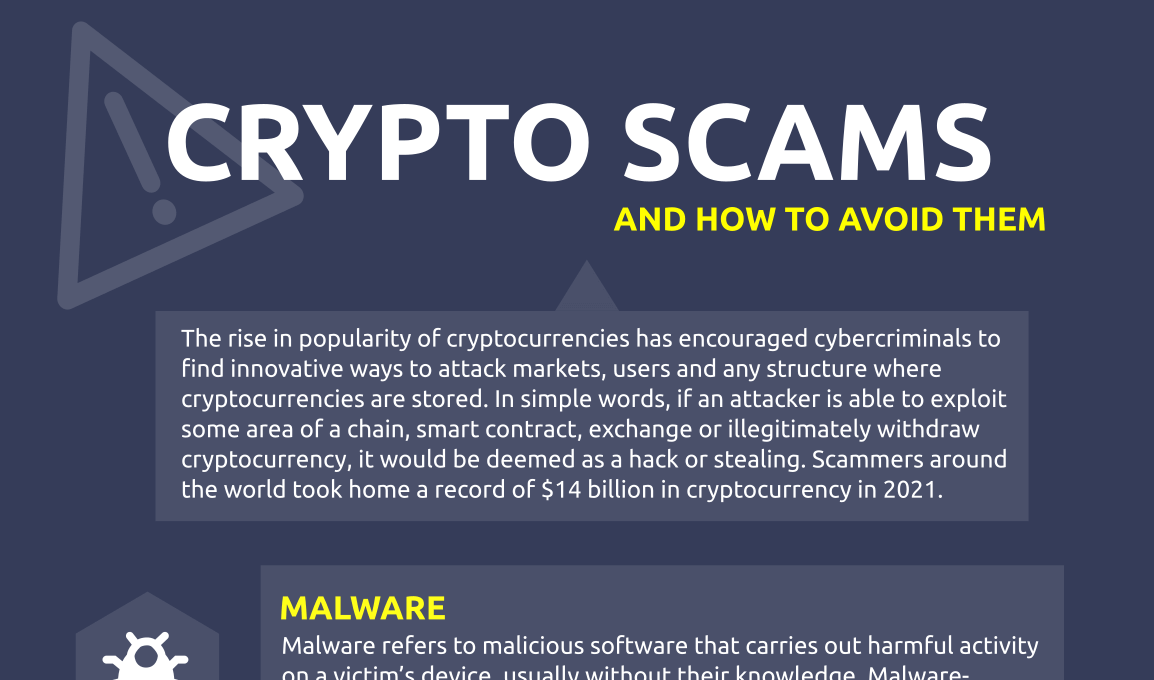
We are presenting new infographic, where most of the popular scams are explained using simple terms, so that any user can benefit from it. Please share with oth...

Hackers steal $655K after picking MetaMask seed from iCloud backup
MetaMask, cryptocurrency wallet provider, has sent out a notification to its community warning them that they may be susceptible to ongoing phishing attacks if ...

Don't feed the Phish!
As you all should know, nowadays phishing is a technique for attempting to acquire sensitive data, such as bank account numbers, crypto wallet details through a...

How experienced crypto investor lost $1.7M in hot wallet hack?
Coinmarketcap shared a story, about crypto investor who lost $1.7M in hot wallet hack. The article stated: The founder of a DeFi venture fund has lost more than...

What is Rug Pull and how to avoid it?
Cryptocurrencies and decentralised finance (Defi) have become some of the most revolutionary financial inventions in recent history. Defi allows access to finan...
There is nothing more expensive than something free
In the real world, many people would be suspicious about stepping into a shady-looking building with a sign that says "Free stuff!" in flashing lights. On the w...
5 ways to recover lost private key for XPR wallet?
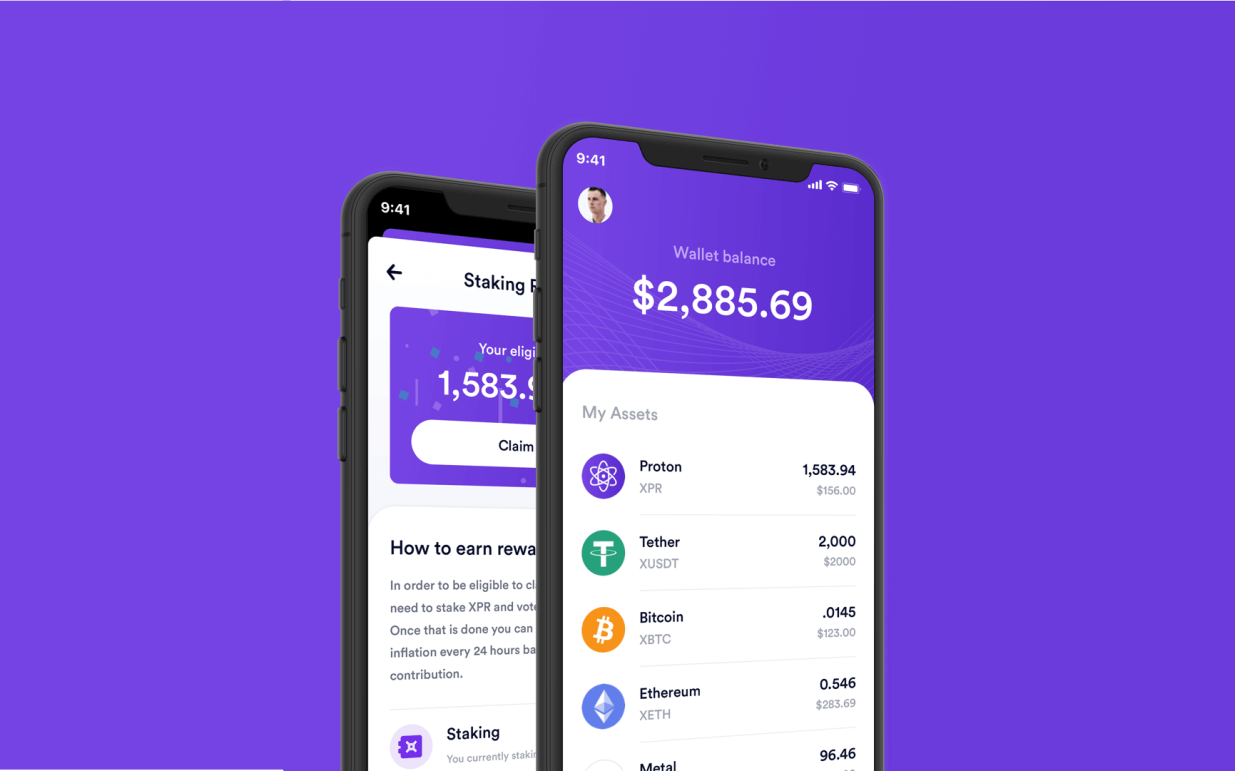
Data recovery is the process of recovering files from either deleted, damaged, formatted, inaccessible device from which cannot be accessed in a usual way. Loos...
Chainalysis - crypto criminals are becoming crypto whales
According to latest Chainalysis crypto crime report, criminals are becoming crypto whales, currently holding over $25 billion in cryptocurrency. That represent ...

Another day, another scammer, but this time hacked one
Everything started with another scam group that promoted non-existing giveaway from Proton. Link led us to a phishing website, that tries to steal private keys ...

We have become a Block Producer on XPR Network ⚛️
We are excited to announce that we have become Block Producer on XPR Network ⚛️ ecosystem. We have learned a lot through the process of becoming a Block Produce...

What is social engineering?
In a broader sense, any kind of manipulation linked to behavioral psychology can be considered social engineering. However, the concept is not always related to...

What is a dusting attack and how to spot it?
A dusting attack refers to a relatively new kind of malicious activity where hackers and scammers try to gain access to the funds of users by sending tiny amoun...

How to create PGP keys to encrypt and sign files
Pretty Good Privacy (PGP) is an encryption system used for both sending encrypted emails and encrypting sensitive files. Since its invention back in 1991, PGP h...
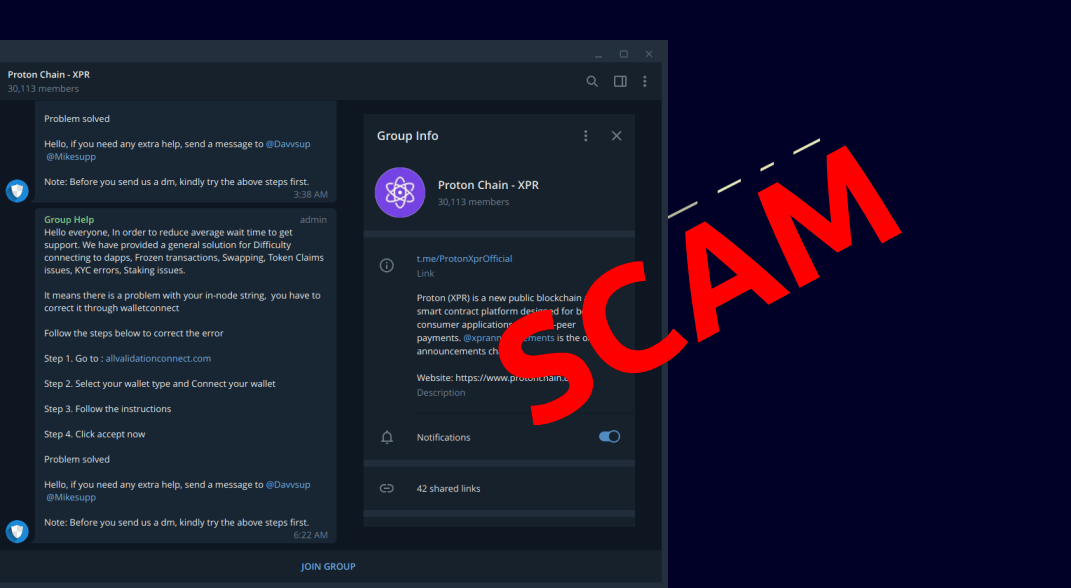
Investigation of websites and Telegram groups that are stealing private keys
The rise in popularity of cryptocurrencies has encouraged cybercriminals to find innovative ways to attack markets, users and any structure where cryptocurrenci...

How to sign a file or message using gpg?
Many businesses are responsible for maintaining large amounts of confidential data, including customer records, medical records, financial reports, sensitive do...

5 tips to enhance security for your XPR account
The rise in popularity of cryptocurrencies has encouraged cybercriminals to find innovative ways to attack markets, users and any structure where cryptocurrenci...

How to back up your WebAuth private key? (advanced)
In this guide we will introduce you to private keys, their importance inside a cryptocurrency wallet and the reasons why you must back them up securely. Beside ...

How to back up SSH keys?
Backup copies allow data to be restored from an earlier point in time to help the business recover from an unplanned event. Storing the copy of the data on sepa...

How to create AppArmor profile for Nginx
AppArmor is a Mandatory Access Control (MAC) system which is a kernel (LSM) enhancement to confine programs to a limited set of resources. AppArmor's security m...

How to protect your server using SSH keys
Secure Socket Shell (SSH), also called Secure Shell, is a special network protocol leveraging public-key cryptography to enable authorized users to remotely acc...
Malware targeting crypto wallets
SafeGuard Cyber detected a sample of the Echelon malware posted to a cryptocurrency discussion Telegram channel in October 2021. Based on the malware and the ma...

5 Cybersecurity Trends in 2021
An influx of new threats, technologies and business models have emerged in the cybersecurity space as the world shifted to a more remote work model in response ...

Ransomware is the biggest cyber threat to business.
Ransomware is the most significant cybersecurity threat facing organisations ranging from critical national infrastructure providers and large enterprises to sc...